Europe is at the forefront of developing next-generation high-speed transport systems, aiming to revolutionize mobility while addressing environmental challenges. With ambitious projects underway, questions arise about their feasibility, impact, and realistic timelines. This article examines the current state and prospects of high-speed transport initiatives across Europe.
Current Landscape of High-Speed Transport in Europe
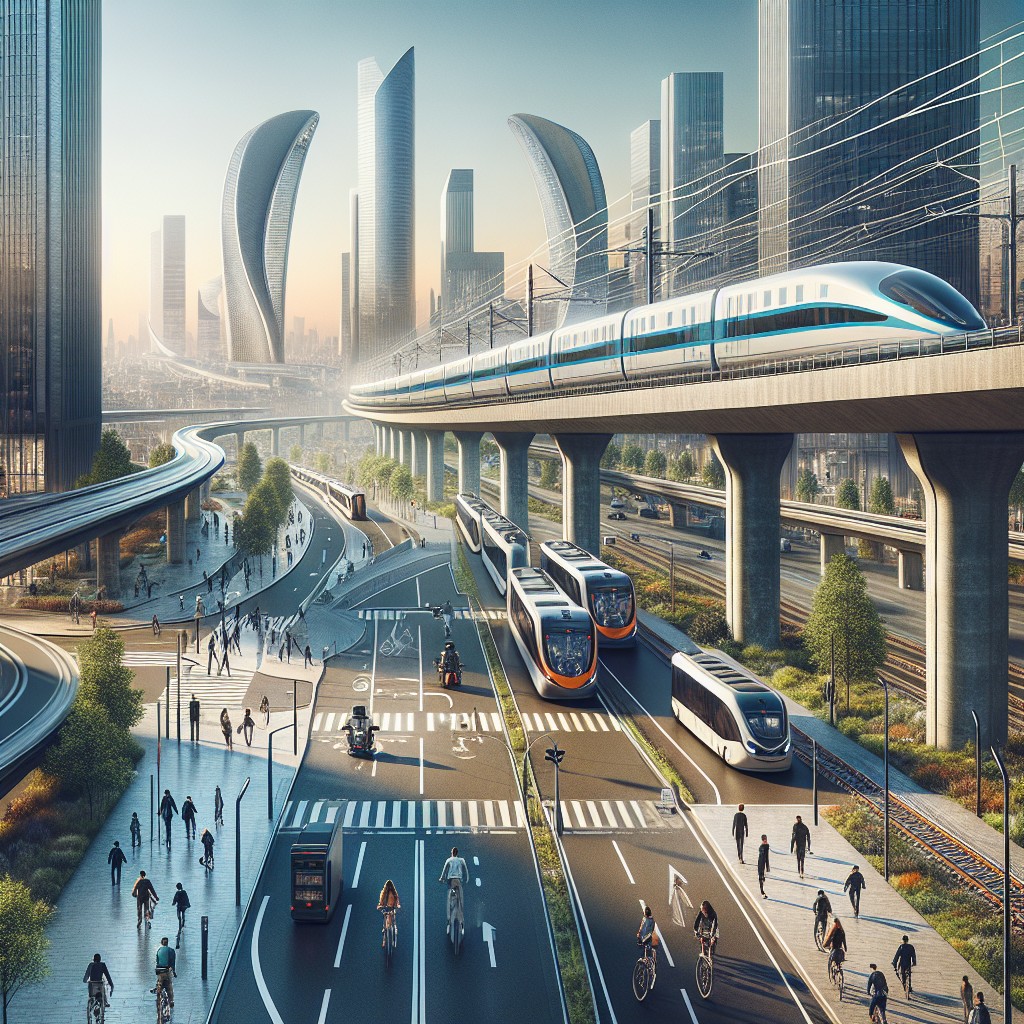
High-speed rail networks have been a cornerstone of European transport infrastructure for decades, connecting major cities efficiently and sustainably. Countries like France, Spain, Germany, and Italy operate extensive high-speed rail lines, reducing travel time and competition with air travel. However, emerging technologies are pushing these boundaries further, incorporating innovations such as magnetic levitation (maglev), hyperloop concepts, and improved rail systems with higher speeds and greater integration.
Innovative Projects Shaping the Future
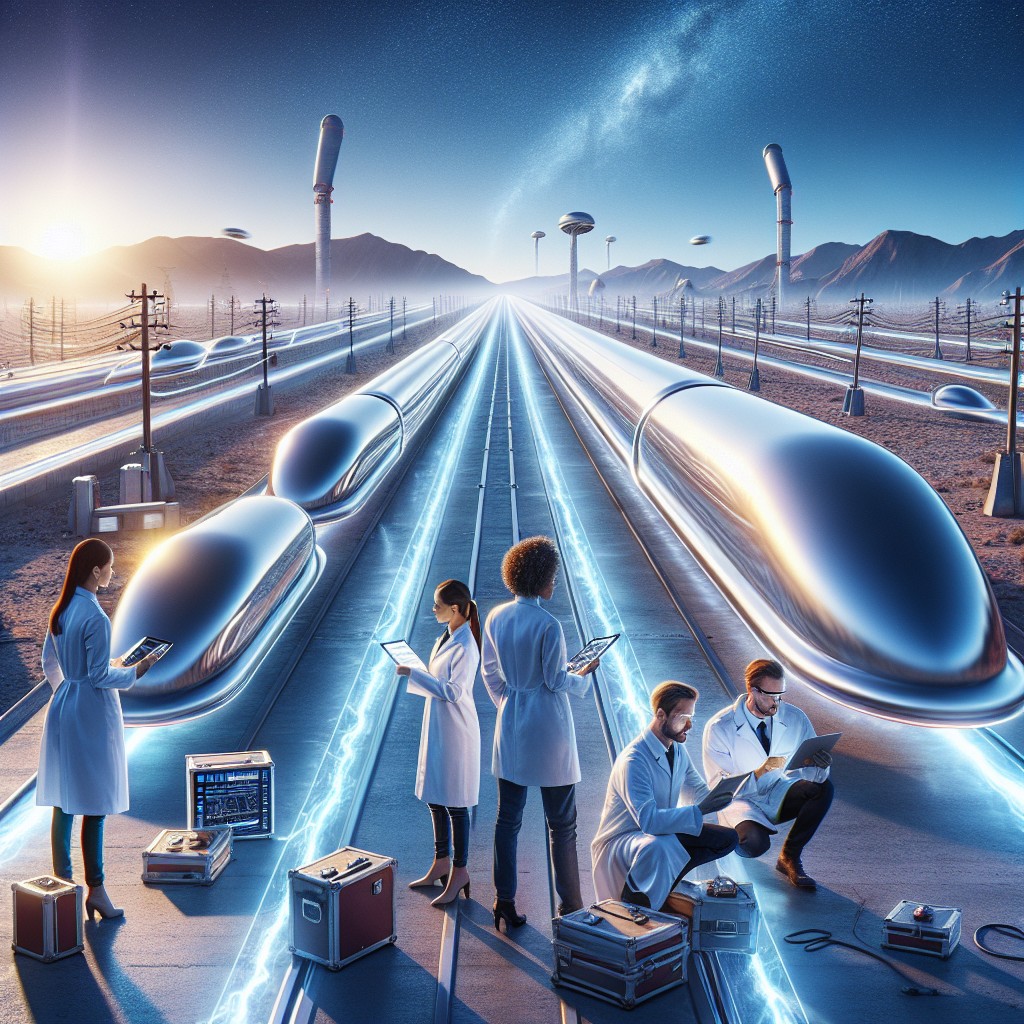
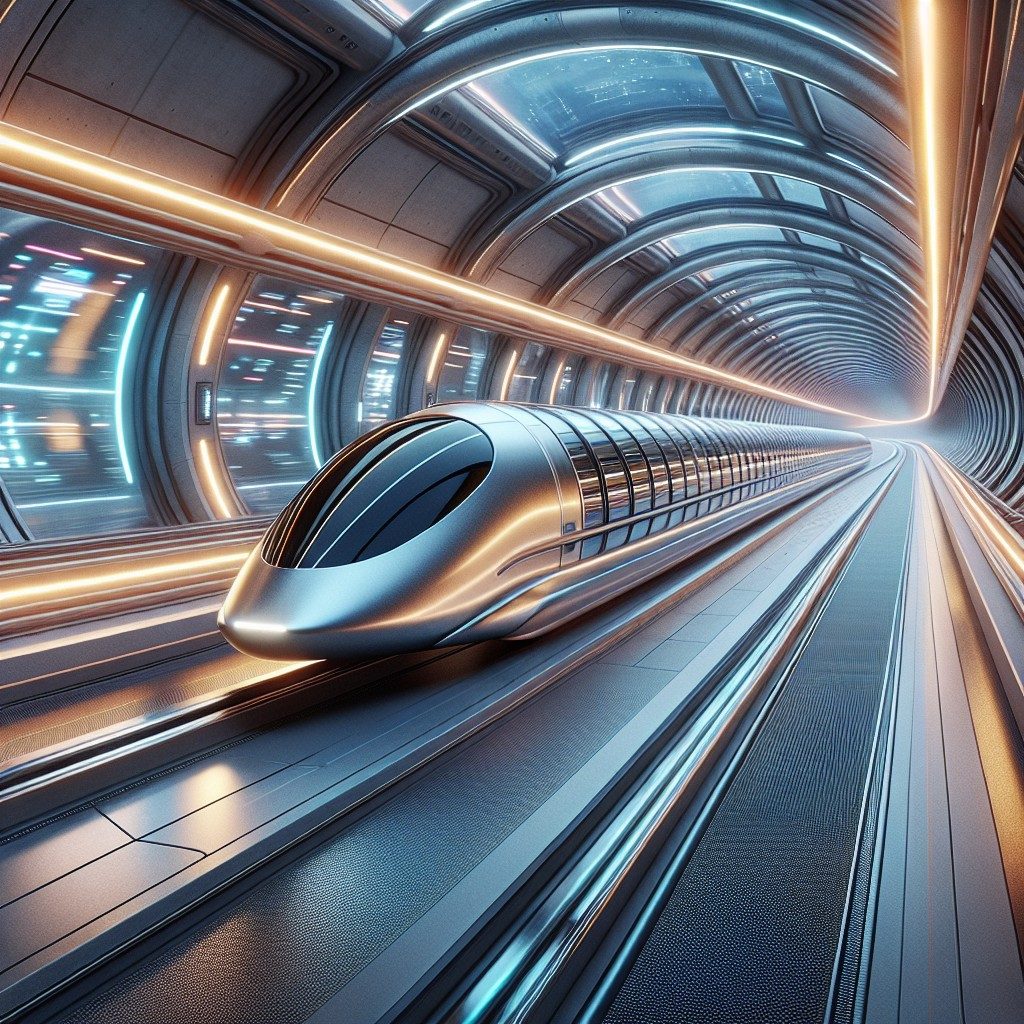
Several high-profile projects aim to advance Europe’s high-speed transport capabilities. The Trans-European Transport Network (TEN-T) program includes plans to enhance existing rail corridors and introduce ultra-fast connections. Notably, the proposed Hyperloop initiatives, supported by private companies and public partnerships, envision speeds exceeding 1,000 kilometers per hour using near-vacuum tubes. Additionally, maglev technology trials in Germany and France are focused on reducing friction to achieve unprecedented travel speeds. Despite these innovations, many projects remain in the testing or planning phases, requiring significant investment and regulatory approval.
Environmental and Economic Considerations
High-speed transport projects are often presented as environmentally friendly alternatives to short-haul flights, with the potential to curb carbon emissions substantially. European Union policies emphasize sustainable mobility, aiming to meet climate targets by 2030 and beyond. However, the environmental benefits depend heavily on energy sources used and the lifecycle impacts of new infrastructure. Economically, while such projects stimulate job creation and technological advancement, concerns exist regarding cost overruns and the accessibility of ticket pricing for average consumers.
Challenges Facing Next-Gen High-Speed Transport
One of the main hurdles for next-generation high-speed transport today is technological maturity. While concepts like Hyperloop generate excitement, practical deployment faces unresolved technical challenges, including safety standards, passenger comfort, and compatibility with existing networks. Regulatory frameworks across European nations are also in flux, as authorities work to balance innovation with public safety and environmental protections. Furthermore, funding mechanisms require alignment between public and private sectors to ensure viable project delivery without excessive debt burdens.
Realistic Timelines and Public Expectations
Given the complexity of implementing next-gen high-speed transport across Europe, experts advise caution regarding optimistic timelines. Many projects are currently in pilot stages, with broad-scale deployment anticipated beyond 2030. Public interest remains high, but clear and transparent communication about development stages is essential to maintaining trust. Incremental improvements on existing high-speed rail infrastructure are ongoing and likely to deliver benefits sooner than revolutionary new systems. As such, European transport policy continues prioritizing enhancement of proven technologies while cautiously exploring breakthrough innovations.
Conclusion
Europe’s journey towards next-generation high-speed transport reflects a blend of ambition, innovation, and prudent planning. While many visionary projects hold promise for transforming mobility, concrete progress requires overcoming technical, economic, and regulatory challenges. In the near to medium term, enhancements to existing rail networks will provide measurable improvements in speed and sustainability. Meanwhile, the realization of ultra-high-speed concepts such as hyperloop or widespread maglev adoption may take more than a decade. Stakeholders and the public should maintain realistic expectations based on verifiable developments as Europe navigates its high-speed transport future.
Frequently Asked Questions about high-speed transport
What defines high-speed transport in Europe?
High-speed transport in Europe typically refers to rail systems capable of speeds above 250 kilometers per hour on dedicated tracks, as well as emerging technologies aiming for greater speeds and efficiency.
Are next-generation high-speed transport projects environmentally beneficial?
Many high-speed transport initiatives aim to reduce carbon emissions by offering alternatives to air and road travel, but their environmental impact depends on factors like energy sources and construction practices.
When can Europe expect widespread adoption of ultra-high-speed transport technologies?
Widespread deployment of technologies like hyperloop and maglev is currently projected beyond 2030, pending successful testing, regulatory approval, and funding.
How does high-speed transport affect economic growth in Europe?
High-speed transport projects contribute to economic growth by creating jobs and enhancing connectivity, but they require careful management to avoid cost overruns and maintain affordability.
Are there existing high-speed transport networks operating now in Europe?
Yes, countries including France, Spain, Germany, and Italy operate extensive high-speed rail networks which form the backbone of current high-speed transport in Europe.