The retail sector is undergoing significant transformation driven by advances in technology, with retail automation leading the way in enhancing checkout processes and delivery systems. As customer expectations shift towards faster, seamless experiences, retailers adopt innovative solutions to stay competitive in an evolving marketplace.
Modernizing Checkout with Technology
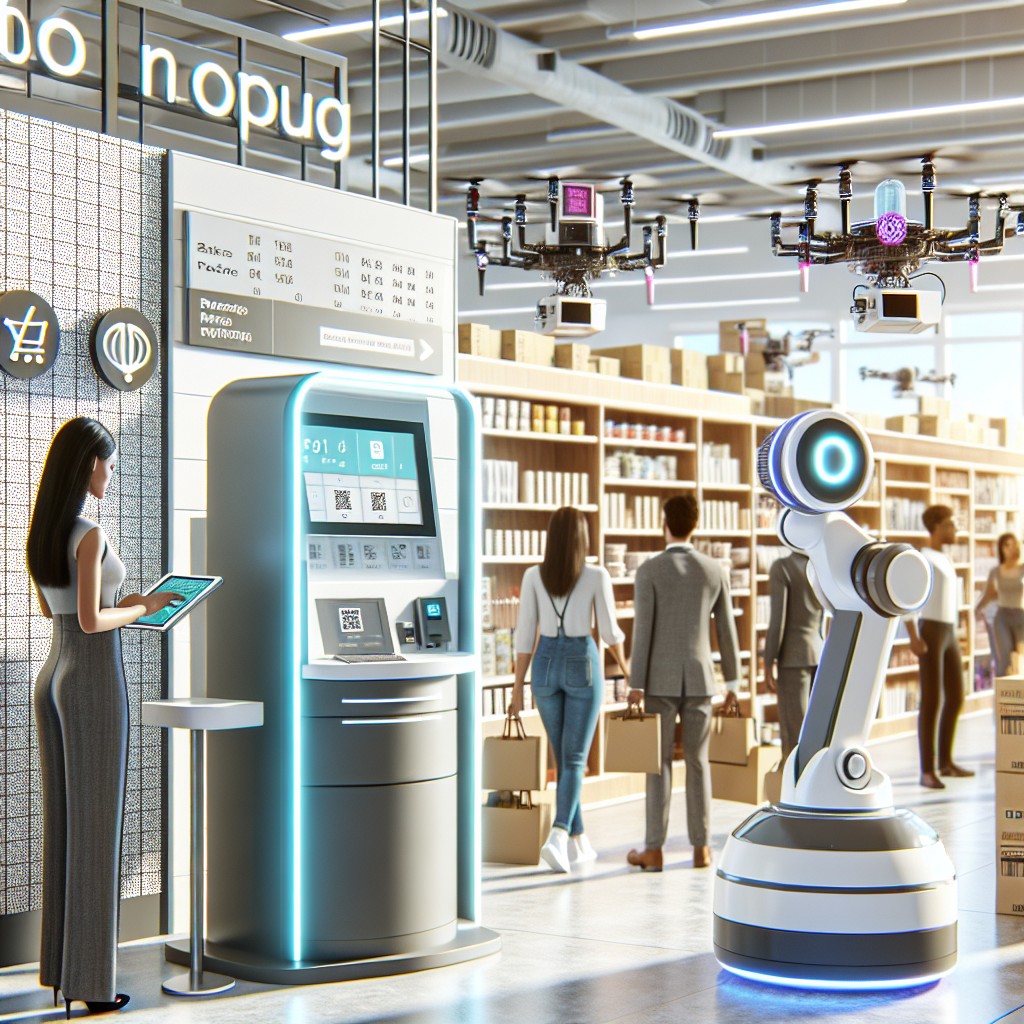
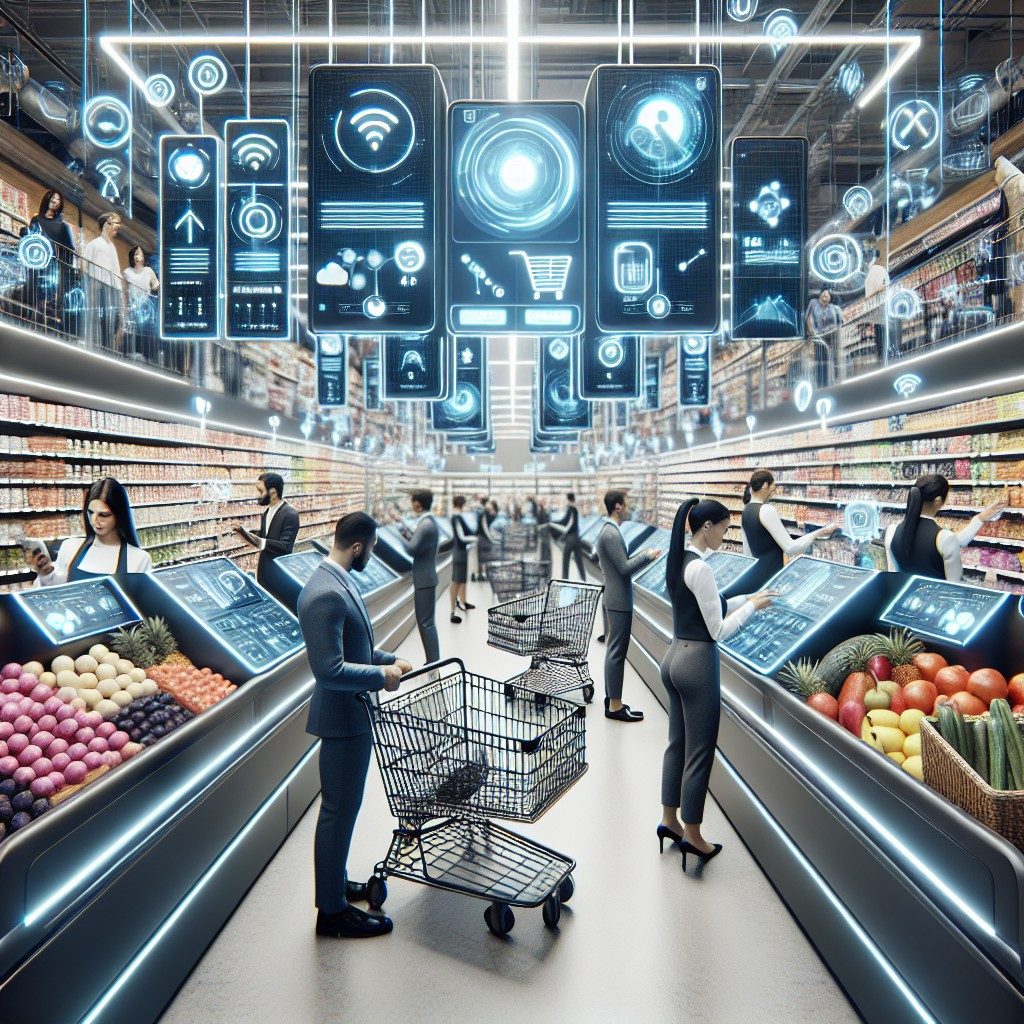
Retail automation has revolutionized the checkout experience, reducing wait times and improving accuracy. Automated self-checkout systems equipped with barcode scanning and contactless payment options allow customers to complete purchases independently. Additionally, some retailers employ sophisticated AI-powered systems that identify products through image recognition, further streamlining the process and minimizing human error.
Integration of Mobile Payment Solutions
The rise of mobile payment technologies complements retail automation by enabling shoppers to pay using smartphones or wearable devices. These systems use near-field communication (NFC) or QR codes, facilitating faster transactions that do not require traditional cashiers. This integration not only improves convenience but also supports contactless payment needs, which have become particularly important in recent health-conscious environments.
Enhanced Inventory Management for Delivery Accuracy
Supply chain and inventory management systems benefit greatly from retail automation enhancements. By leveraging real-time data analytics and automated stock monitoring, retailers can reduce discrepancies between available inventory and orders. This ensures greater accuracy in fulfilling delivery requests, enhancing customer satisfaction by minimizing delays and errors.
Emerging Technologies in Delivery Automation
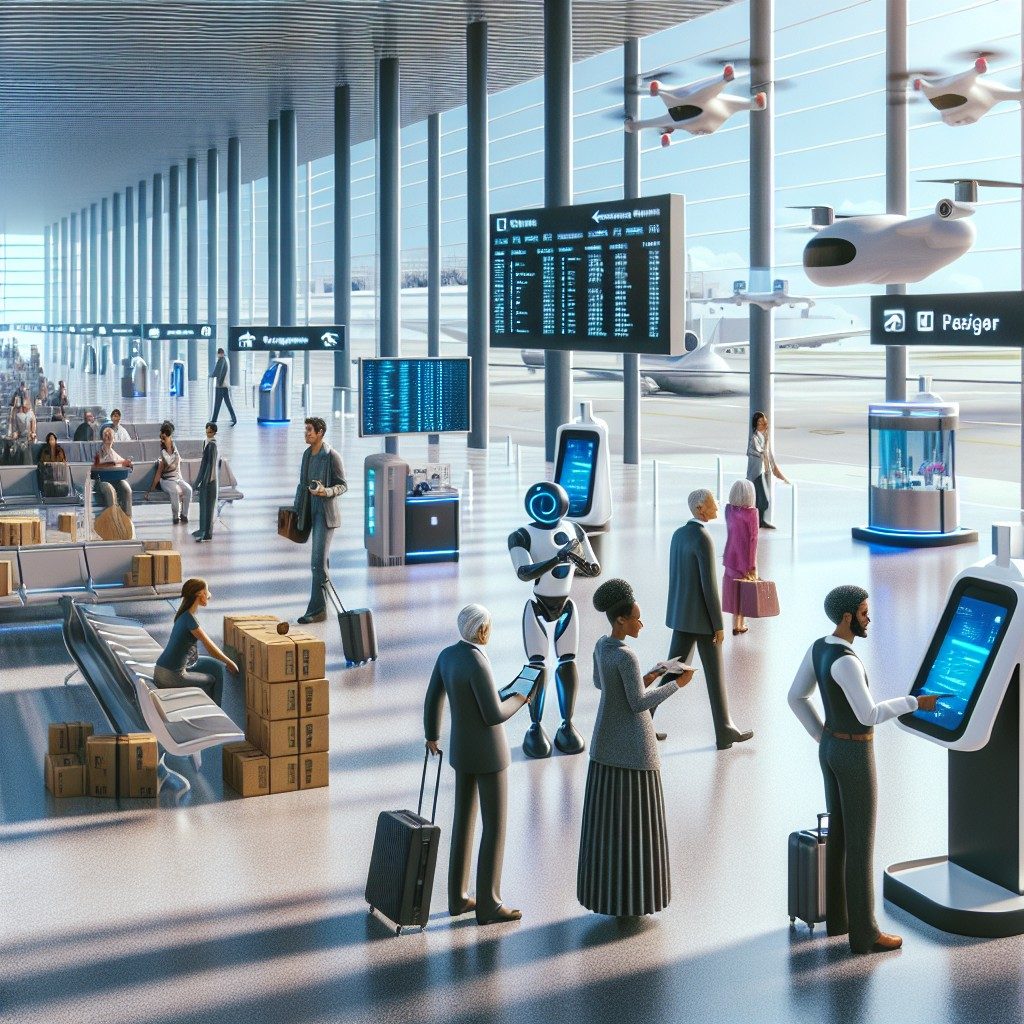
Automation extends beyond the store, reshaping delivery logistics. Autonomous delivery vehicles, drones, and robotic couriers are increasingly tested and deployed to expedite last-mile delivery. These technologies are often combined with automated sorting centers and predictive routing algorithms designed to optimize delivery times and reduce operational costs.
Challenges and Adoption Rates in Retail Automation
Despite the clear benefits, the adoption of retail automation faces hurdles such as high initial investments and integration complexities with legacy systems. Retailers must navigate data security concerns and ensure compliance with regulatory standards. Nevertheless, many companies are gradually embedding automation technologies as part of their long-term strategies, recognizing their potential to enhance operational efficiency and customer experience.
In summary, the evolution of checkout and delivery in retail is closely tied to advancements in retail automation. As these technologies mature, they promise to redefine shopping experiences by making processes faster, more reliable, and increasingly automated. Industry trends indicate that retail automation will continue to play a pivotal role in how retailers meet consumer demands and optimize supply chains around the globe.
Frequently Asked Questions about retail automation
What is retail automation and how does it impact checkout processes?
Retail automation refers to technologies that streamline retail operations. In checkout, it impacts processes by enabling self-service kiosks and contactless payments, reducing queues and transaction times.
How does retail automation improve delivery services?
By employing automated inventory tracking and autonomous delivery solutions, retail automation enhances delivery accuracy and speed, ensuring customers receive orders promptly.
Are there security concerns related to retail automation?
Yes, retail automation requires robust data protection measures to safeguard payment information and customer data, especially with increased digital transactions and networked devices.
What challenges do retailers face when implementing retail automation?
Retailers often deal with integration complexity with existing systems and significant upfront costs, along with the need to train staff to manage and maintain new automated solutions.
Where can I find reliable information on retail automation trends?
Authoritative sources like industry-leading publications and financial news outlets provide up-to-date insights on retail automation, such as the retail automation coverage found on Bloomberg Markets.